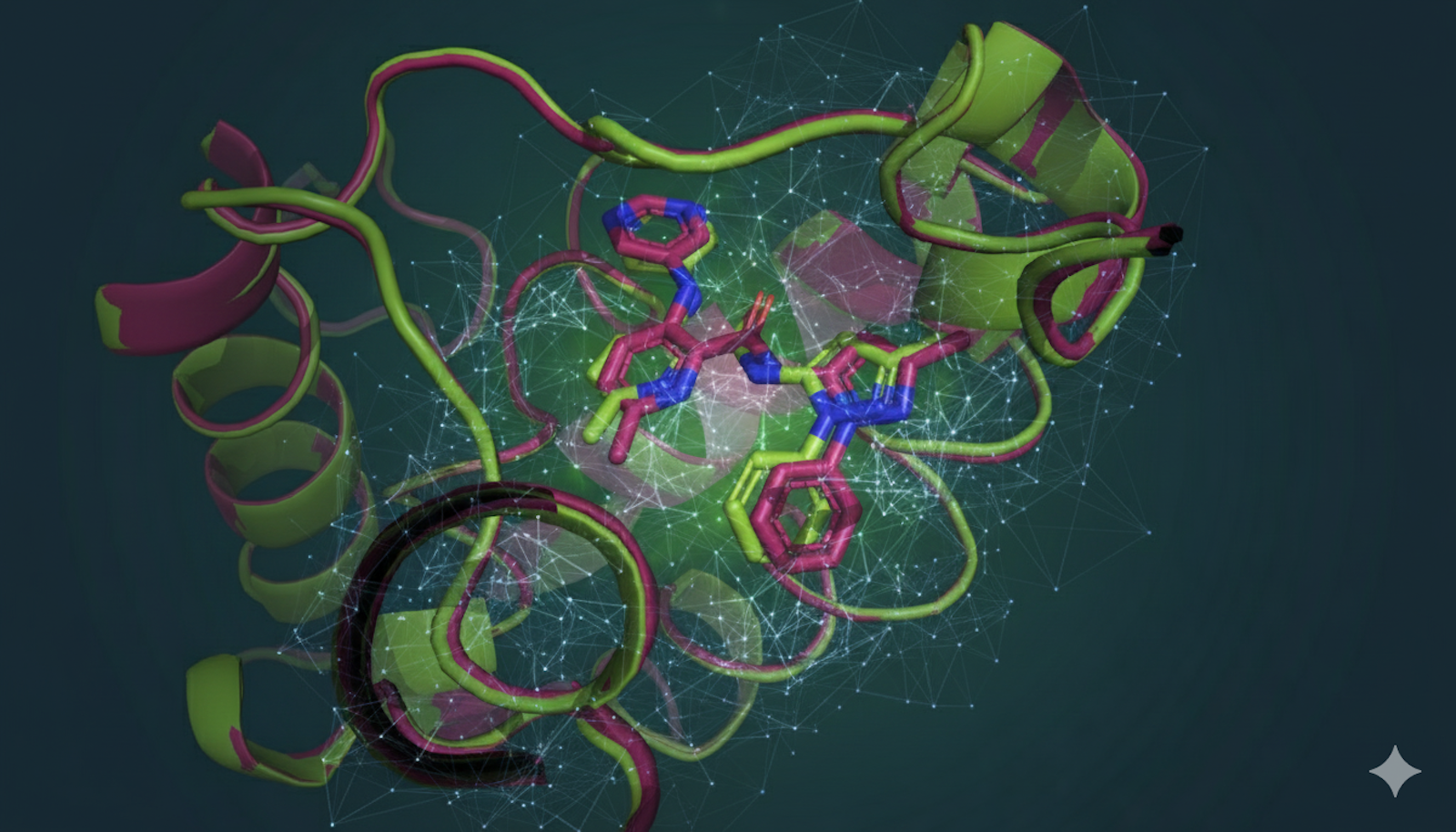
Using a recent J. Med. Chem. TrmD study, we evaluate how well OpenFold3 protein–ligand co-folding recovers binding modes and key interactions, and where it can realistically support medicinal chemistry decisions.
We fine-tuned OpenFold3 on just 10 PDE10A protein–ligand complexes and evaluated on 17 held-out structures. Even this low-n setup corrected systematic pose errors and improved interface metrics, making predictions more usable for design decisions.
Improved ADMET predictions come from complementary chemistry, not sheer data volume. A scientific study of public–proprietary integration shows why diversity, balance, and harmonization matter for reliability, calibration, and broader model applicability.

Apheris, a leading provider of AI applications for drug discovery, today announced the launch of ApherisFold, an enterprise software product that enables pharmaceutical organizations to securely run, benchmark, and fine-tune the latest co-folding models, including OpenFold3 and Boltz-2, directly within their own IT environments.
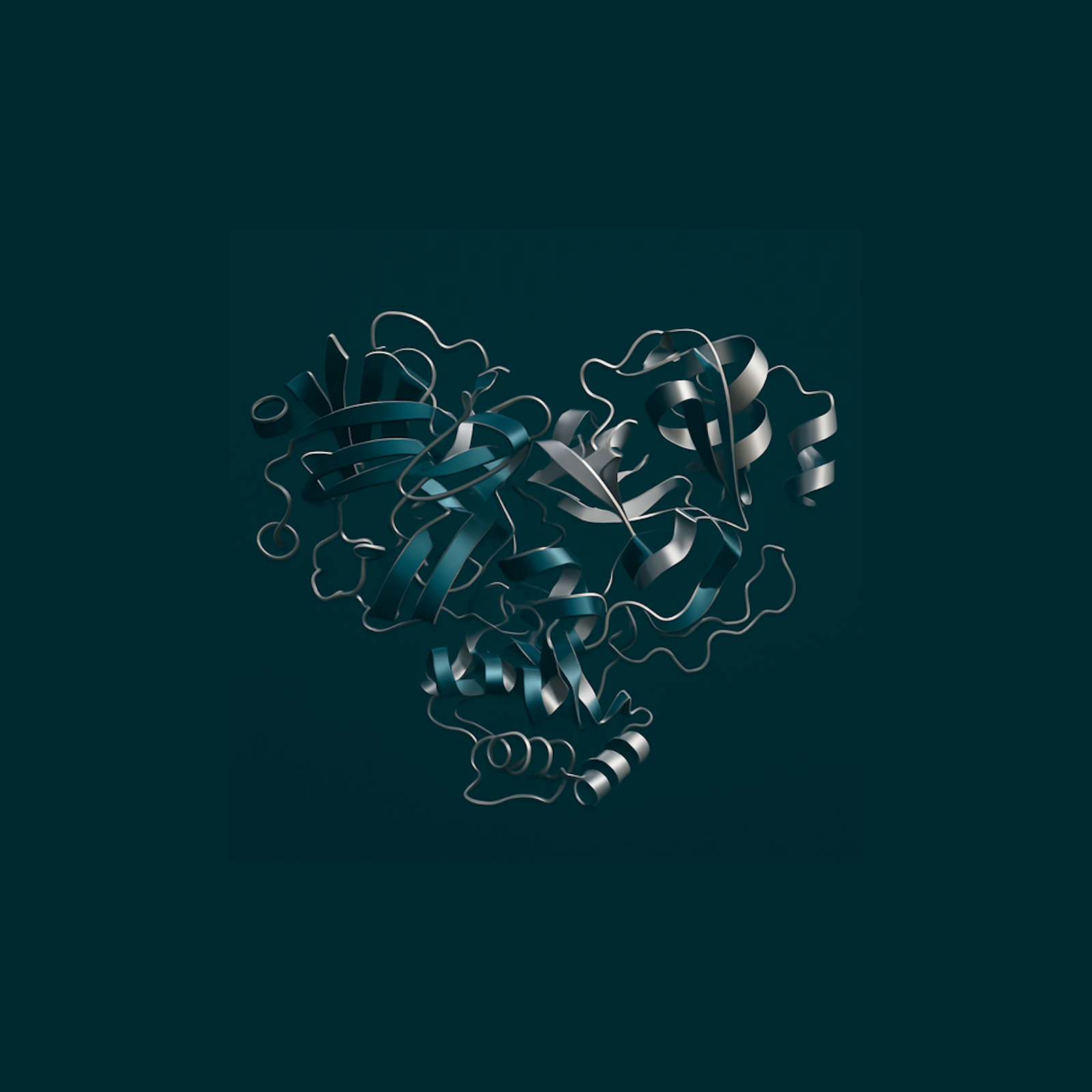
Co‑folding models, like AlphaFold 3, Boltz‑2, and OpenFold3, can predict the joint 3D structures of two (or more) molecules at the same time. While these models perform well on public benchmarks, they often become less accurate when applied to novel targets underrepresented in the training data.
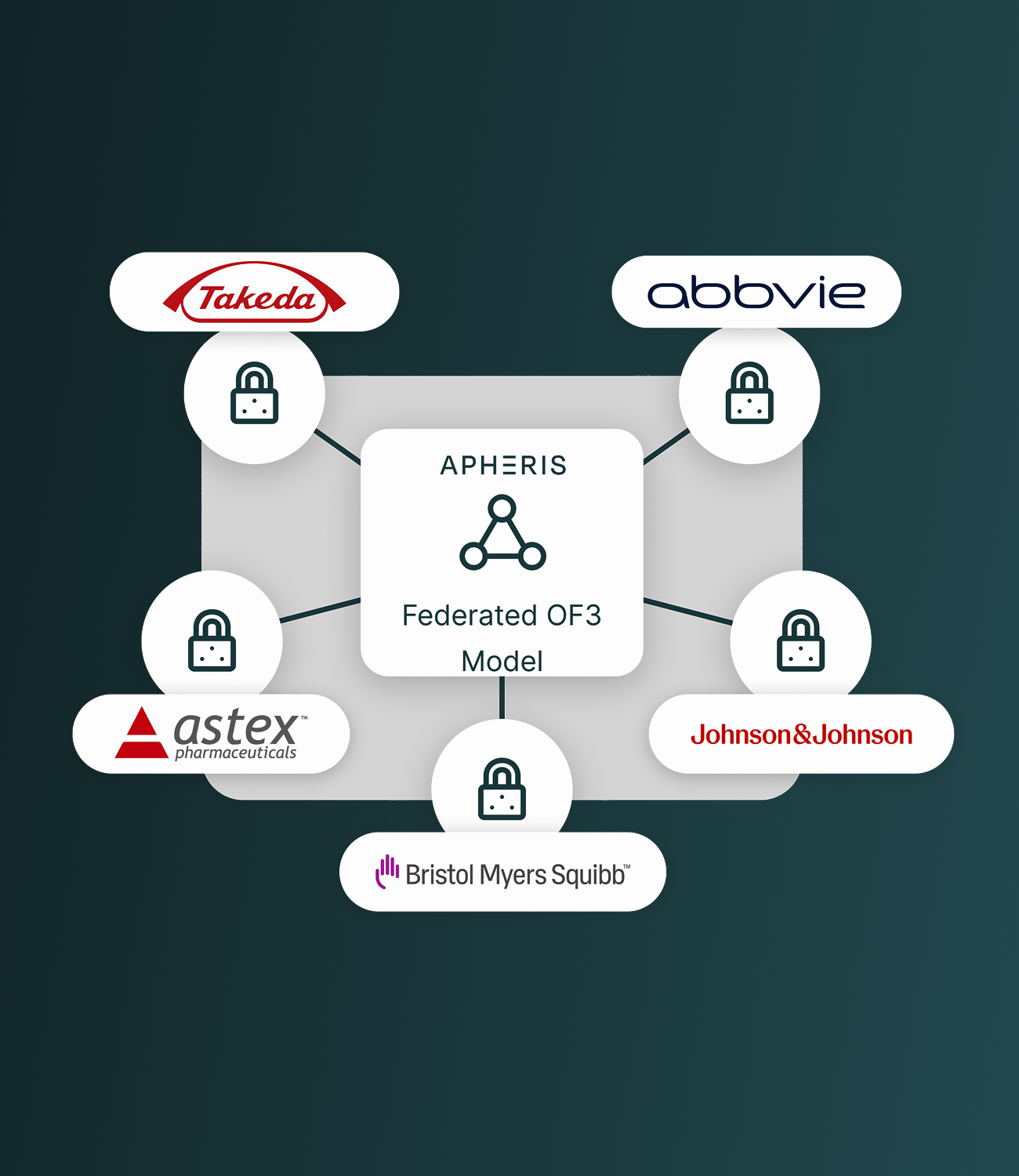
OpenFold3, a structure prediction system developed by AlQuraishi Lab at Columbia University, will be fine-tuned using proprietary data from AbbVie and Johnson & Johnson in a confidentiality-preserving and secure federated environment powered by Apheris.
The Apheris Trust Center serves as a comprehensive resource for organizations seeking to uphold the highest standards of security and data privacy. It offers guidance and our certifications and attestations, including ISO 27001 and SOC 2, that customers value as essential components to fulfil their compliance obligations.